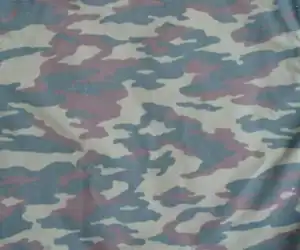
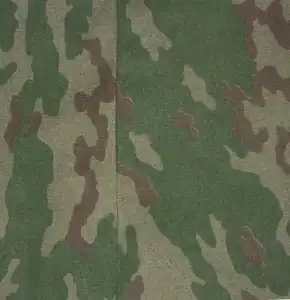
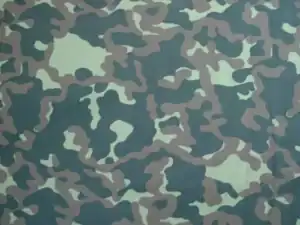
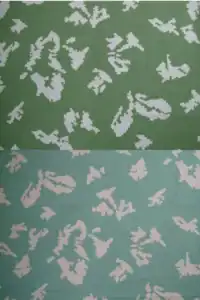
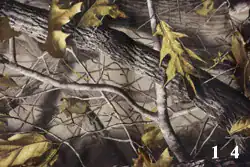
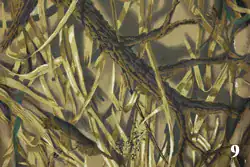
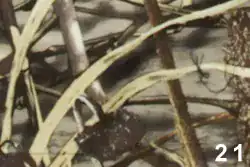
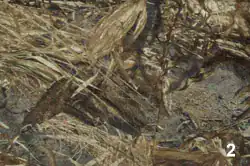
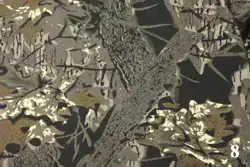
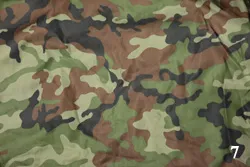
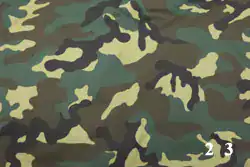
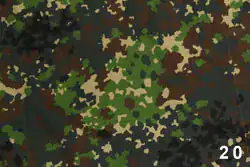
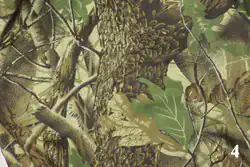
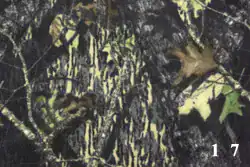
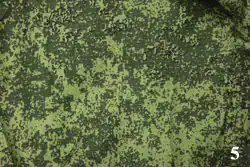
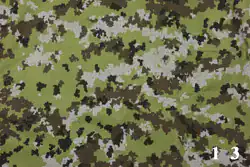
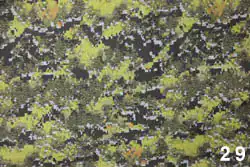
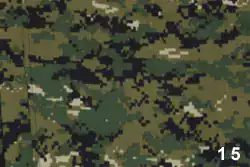
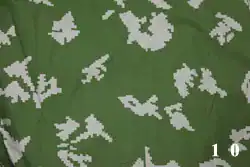
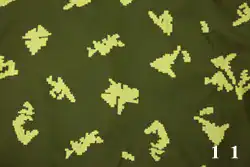
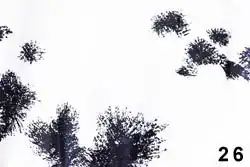
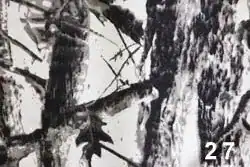
From the Cold War period onward, military camouflage has commonly been grouped according to the environments in which it is intended to operate. This classification reflects terrain, vegetation, climate, and seasonal factors rather than aesthetic design.
Primary Environmental Categories
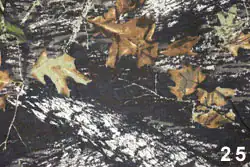
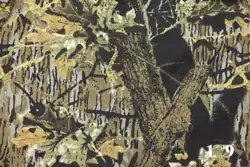
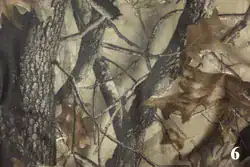
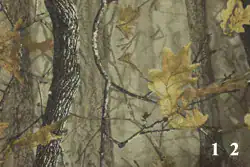
Woodland Camouflage
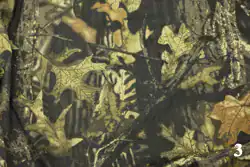
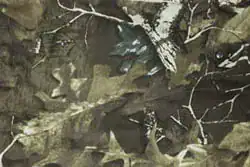
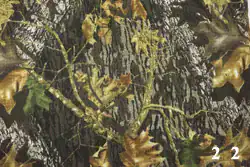
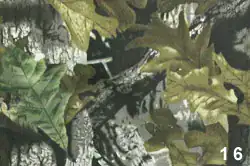
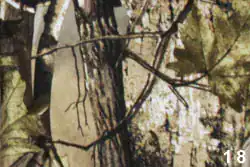
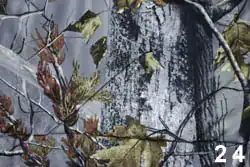
Designed for forested and temperate regions, this category is most widely used across Europe and North America. Patterns typically rely on green and brown tones to blend with vegetation and shadowed terrain.Desert Camouflage
Developed for arid and semi-arid environments, desert patterns are commonly employed in North Africa and Central Asia. These designs favor light earth tones to match sand, rock, and sparse vegetation.Tropical (Jungle) Camouflage
Intended for humid regions with dense vegetation, tropical camouflage is primarily associated with Southeast Asia and parts of South America. Patterns emphasize darker greens and complex shapes suited to layered foliage.Winter Camouflage
Created for snow-covered landscapes, winter camouflage is dominated by white and light neutral tones. Its primary function is concealment in frozen and high-visibility environments.Bush Camouflage
Developed for southern African terrain, bush camouflage is relatively rare due to the limited geographic area in which it is effective. These patterns are adapted to dry scrubland and transitional vegetation zones.
Expansion of Camouflage Patterns After the 1960s
Beginning in the 1960s, the development of camouflage accelerated significantly. Advances in materials, printing techniques, and visual science led to the creation of a wide range of patterns for both military and non-military use.
Today, hundreds of camouflage designs exist, ranging from officially issued military patterns to commercially produced variants. Despite this diversity, no camouflage pattern can be considered universal. Each design is optimized for specific environmental conditions and seasonal contexts, and its effectiveness depends heavily on correct deployment.
Camouflage by Intended Use
Camouflage patterns can also be categorized based on their intended application rather than terrain alone.
Military Camouflage
These are patterns officially adopted by state armed forces and issued as standard or specialized uniforms. Their design and distribution are regulated by military authorities and aligned with operational requirements.
Commercial Camouflage
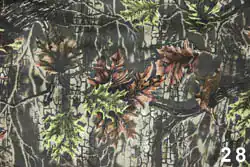
Commercial camouflage includes patterns produced outside formal military adoption. These may consist of experimental designs, modified versions of existing military patterns, or color variations created for private units, hunting, and tactical activities. While visually similar to military patterns, commercial designs are not standardized for official service use.
Military Camouflage of the Armed Forces of Russia and the USSR
Digital Camouflage – EMR (Digital Flora)
EMR Digital Flora represents the modern pixel-based camouflage adopted by the Armed Forces of the Russian Federation. It serves as the current standard digital camouflage pattern and is widely used across uniforms and equipment.
VSR-98 Flora
Adopted as the primary general-issue camouflage from 1998, VSR-98 Flora performs effectively in the forested regions of central Russia. Due to its distinctive striped appearance, it received the informal nickname “watermelon camouflage.” It was produced in three main variants.
VSR-93 (Vertical Pattern)
Introduced in 1993, this pattern is commonly referred to as “verticalka” due to its vertical stripe structure.
Butan (Dubok)
Developed in 1984, this pattern effectively disrupts the human silhouette at varying distances against vegetation backgrounds.
Silver Leaf (Berezka), Model 1957
Also known as “sun bunnies” or “border guard camouflage,” this deforming pattern was well suited for deciduous forests of central Russia.
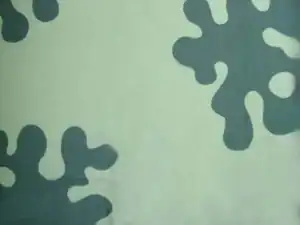
Amoeba, Model 1935
One of the earliest Soviet camouflage designs, produced in several variations.
Commercial Russian Camouflage Patterns
Numerous commercial camouflage patterns have been produced, including multiple iterations of Dubok, Klen, Autumn Oak, Reed (Kamysh), Moss, Forest variants, Digital Forest, and winter adaptations such as white and yellow Berezka.
These patterns were developed for non-standard use, experimental purposes, or civilian markets, and were not adopted as official military issue.